

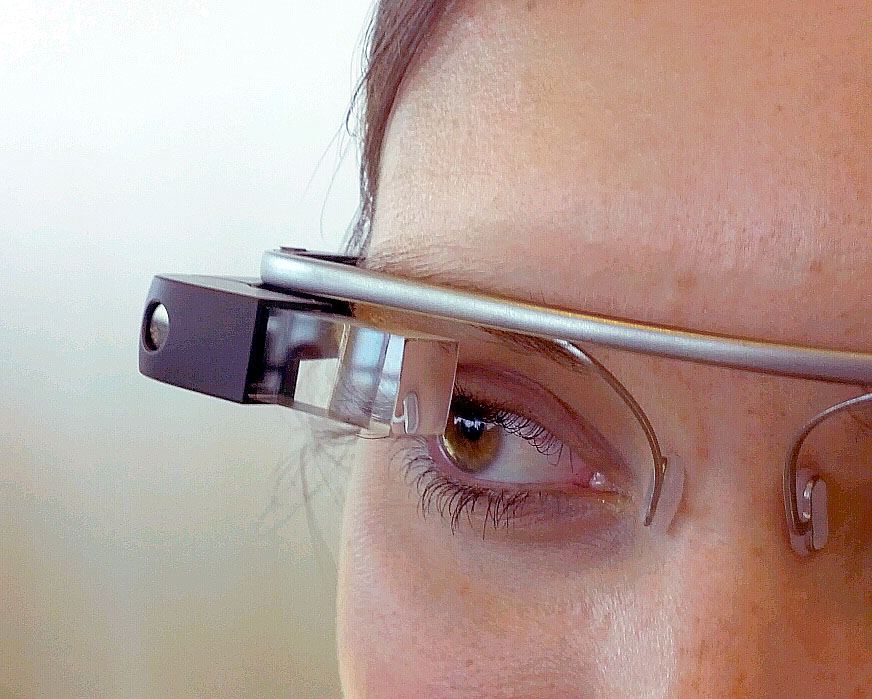
Trials of new smart glasses are testing whether small displays and voice controls built into ordinary looking frames can help wearers with directions, translation, and quick information while keeping their hands free. Participants in city trials use the glasses to follow walking routes, read translated signs, and receive reminders without repeatedly looking down at a phone. Designers say battery life, comfort, and clear controls remain essential if such devices are ever to suit all day use rather than short demonstrations. Privacy is also a central question, and trial organisers have set clear rules about recording in public and private spaces.
What the Evidence Shows
Early feedback suggests the most valued features are simple and practical, such as step by step navigation at busy junctions and captions for conversations in noisy places. However, users also report that displays can be distracting if notifications appear too often, leading developers to make alerts easier to limit and customise. Accessibility specialists involved in the trials are examining whether smart glasses could assist people with low vision by describing surroundings or reading text aloud. The companies running the programmes say no launch decisions should be assumed from trial publicity alone, and that independent evaluation of safety, privacy, and usefulness will shape any future release. Reporting and analysis from sources such as Wired track the same developments, and specialists following smart glasses hands free trial say the direction is now consistent across independent lines of evidence.
The Wider Context
The wider context is an industry learning to ship capability and restraint together. Products built around smart glasses hands free trial now launch with safety evaluations, usage data and rollback plans as standard, because enterprise buyers and regulators ask for them in the first meeting. Companies that treated those questions as friction are discovering they have become the purchase criteria.
What Happens Next
What happens next for smart glasses hands free trial depends less on another breakthrough than on the unglamorous work of reliability, pricing and support. The buyers evaluating it now are not enthusiasts; they are operators with budgets and auditors, and their checklists will decide the timeline. On the evidence of the current pilots, the technology has earned the right to be judged by them. You can follow related developments in our coverage of technology.
None of this will be settled by a single announcement, study or product launch. The pattern to watch is accumulation: independent confirmations, honest reporting of failures and steady improvement in the underlying numbers. Readers who follow those signals, rather than the loudest claim of the week, will understand this subject better than most of the commentary surrounding it suggests is possible.
There is a practical lesson in all of this for readers deciding what to do today. Start with the verified facts, be wary of anyone promising certainty, and prefer reversible steps while the evidence is still developing. Circumstances differ by country, income and personal situation, so general guidance should always be weighed against your own context before you act on it in any significant or lasting way.
