

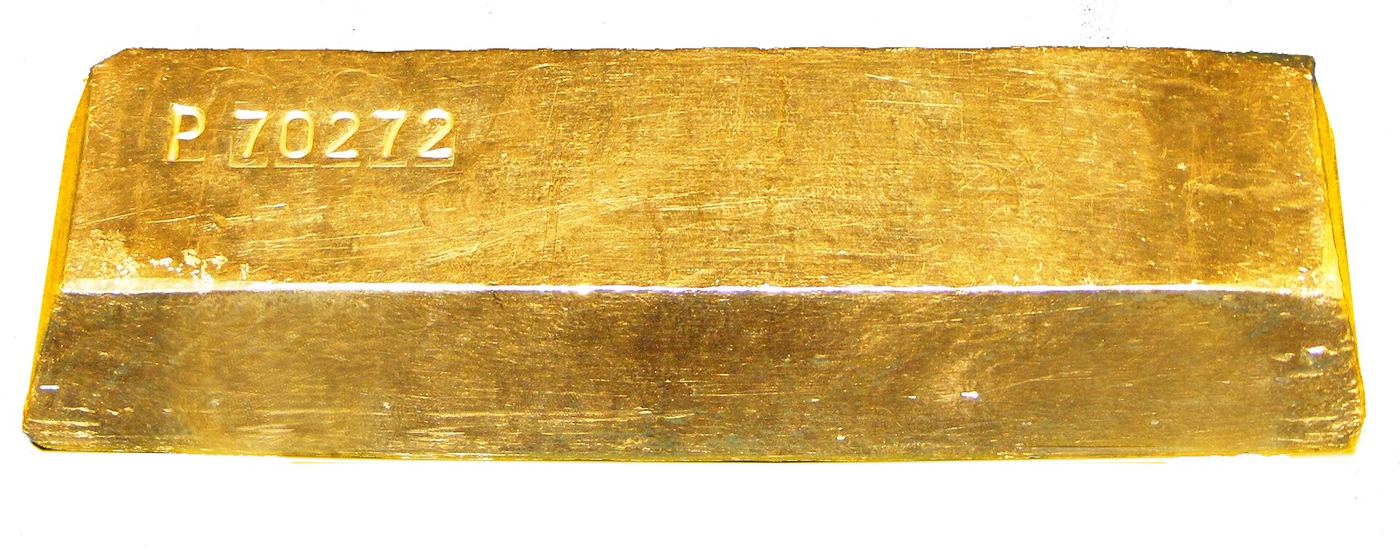
Gold fell below 3,800 dollars an ounce on 18 November 2026, its lowest level since September 2025, as expectations of further interest rate rises pushed the dollar higher. Spot gold dropped 1.9 percent to 3,777.83 dollars an ounce, while gold futures for December delivery fell 2.2 percent to 3,779.50 dollars. Silver fell about 3 percent to around 46 dollars an ounce, its lowest since late October 2025, after touching a record high of 121.67 dollars in January. Platinum dropped 1.8 percent to 1,403.49 dollars an ounce and palladium fell 2 percent to 951.83 dollars. The slide wiped more than 500 billion dollars from the combined value of the gold and silver markets. Gold is now down about 31 percent from its January record of around 5,598 dollars an ounce, with October delivering its steepest monthly decline since 2008, and silver is down nearly 62 percent from its January peak.
What the Evidence Shows
The sell-off has been driven by a stronger dollar and rising Treasury yields, which raise the cost of holding metal that pays no income. The dollar reached a 19-month high as traders priced in a December rate rise from the Federal Reserve, with CME FedWatch assigning a 95.7 percent probability to a quarter-point move. A slide in technology shares has also forced some investors to sell gold to raise cash, so the metal has not behaved as a safe haven. Copper fell 1.5 percent to a five-month low and aluminium dropped 2 percent to its lowest level of 2026. The Silver Institute projects a sixth consecutive annual silver deficit of about 35 million ounces, yet the metal keeps falling as both investment and industrial demand fade. Technical indicators show gold deeply oversold, but analysts warn that a close below 3,700 dollars could open the way to the 3,500 to 3,600 dollar zone. Reporting and analysis from sources such as World Bank track the same developments, and specialists following the slide in gold prices say the direction is now consistent across independent lines of evidence.
The Wider Context
For households and small firms, the slide in gold prices matters through prices and access rather than through market commentary. Changes at this level arrive as a rate on an offer letter, a fee on a statement or a product that quietly disappears from a comparison table. Consumer groups argue that transparency at exactly that point of decision is worth more than any amount of market-level reporting.
What Happens Next
The outlook for the slide in gold prices hinges on policy choices that will be made in the open over the coming quarters. Market participants are positioned for more than one outcome, which is why the immediate reaction to each announcement has been smaller than the commentary around it. For ordinary savers and borrowers, the advice from every quarter is the same: review your own position, not the headlines. You can follow related developments in our coverage of finance.
It is also worth remembering how quickly the picture in this area has changed before. Positions that looked settled a few years ago have been revised as new data arrived, and the same humility is appropriate now. The strongest coverage of this subject, and the most useful advice, tends to come from sources that update their views openly when the facts move, rather than defending an earlier position long after it has stopped fitting the evidence available.
