

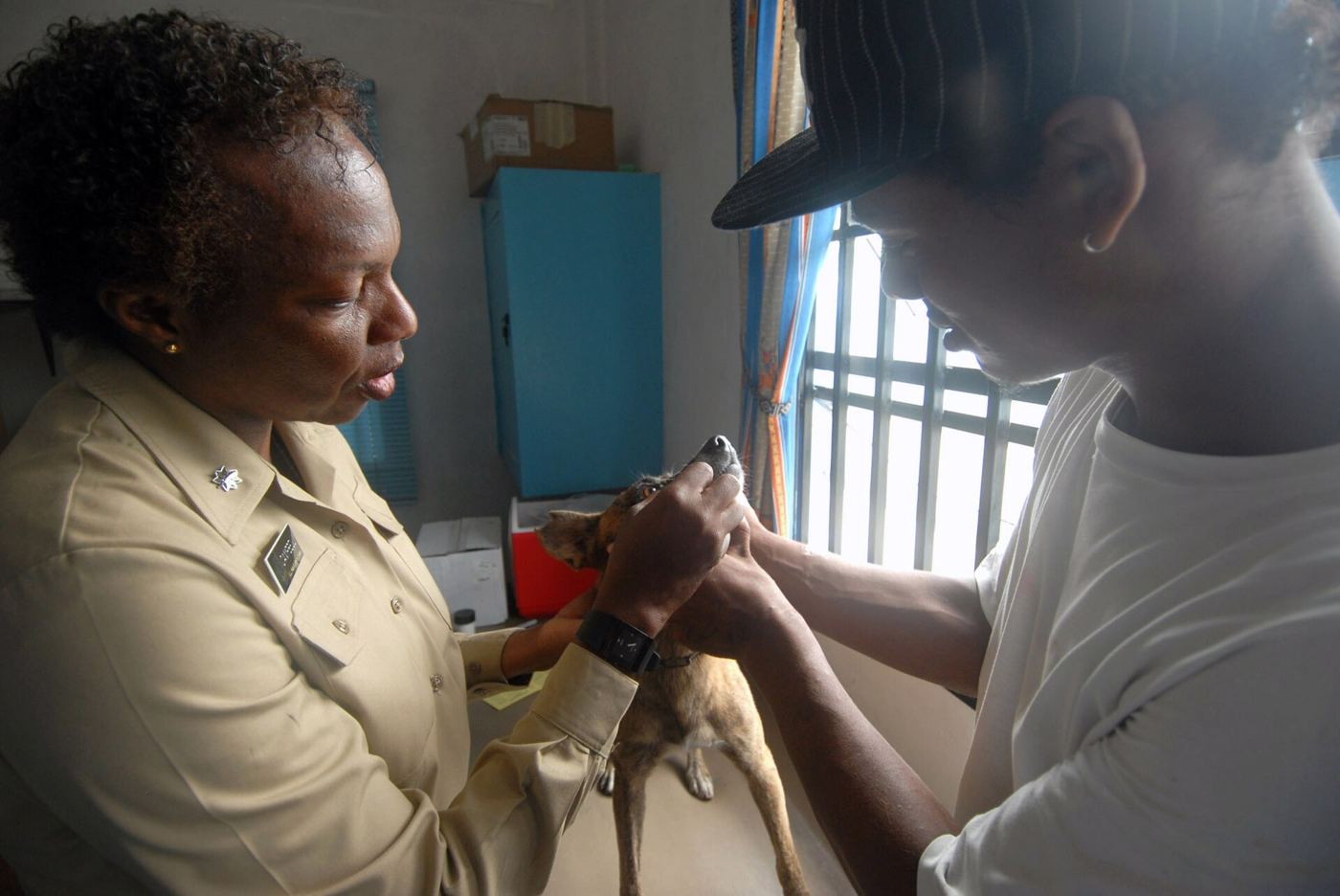
Pet owners are weighing up insurance as vet bills climb, with treatment for a serious illness or accident now able to cost thousands of pounds. A broken leg, a swallowed object or a long-term condition such as diabetes can turn into a bill that few households can pay from savings alone. Pet insurance spreads that risk, paying part of the vet’s fees in exchange for a monthly premium, yet the policies differ widely in what they cover. Some cover each condition for life, while cheaper policies pay only for a year or up to a fixed amount per condition. Consumer advisers say the choice matters more than the price, because a policy that stops paying after twelve months may leave an owner facing bills for a lifelong condition. Owners are advised to insure pets while they are young and healthy, since pre-existing conditions are usually excluded.
What the Evidence Shows
Experts advise comparing policies on the cover limit, the excess, and whether the premium rises with the pet’s age or after a claim. Lifetime cover costs more but protects against ongoing conditions, while accident-only cover is the cheapest and narrowest option. Owners should read the exclusions carefully, including dental work, routine vaccinations and breeding, which are rarely covered. Keeping the pet’s vaccinations and check-ups up to date can also help, since some insurers require it. For owners who cannot afford full cover, setting aside a small monthly sum in a pet savings pot is a useful fallback. The goal, advisers say, is to make sure a vet bill never forces a choice between money and a much-loved pet. Reporting and analysis from sources such as World Bank track the same developments, and specialists following pet insurance and vet bills say the direction is now consistent across independent lines of evidence.
The Wider Context
For households and small firms, pet insurance and vet bills matters through prices and access rather than through market commentary. Changes at this level arrive as a rate on an offer letter, a fee on a statement or a product that quietly disappears from a comparison table. Consumer groups argue that transparency at exactly that point of decision is worth more than any amount of market-level reporting.
What Happens Next
The outlook for pet insurance and vet bills hinges on policy choices that will be made in the open over the coming quarters. Market participants are positioned for more than one outcome, which is why the immediate reaction to each announcement has been smaller than the commentary around it. For ordinary savers and borrowers, the advice from every quarter is the same: review your own position, not the headlines. You can follow related developments in our coverage of finance.
It is also worth remembering how quickly the picture in this area has changed before. Positions that looked settled a few years ago have been revised as new data arrived, and the same humility is appropriate now. The strongest coverage of this subject, and the most useful advice, tends to come from sources that update their views openly when the facts move, rather than defending an earlier position long after it has stopped fitting the evidence available.
