

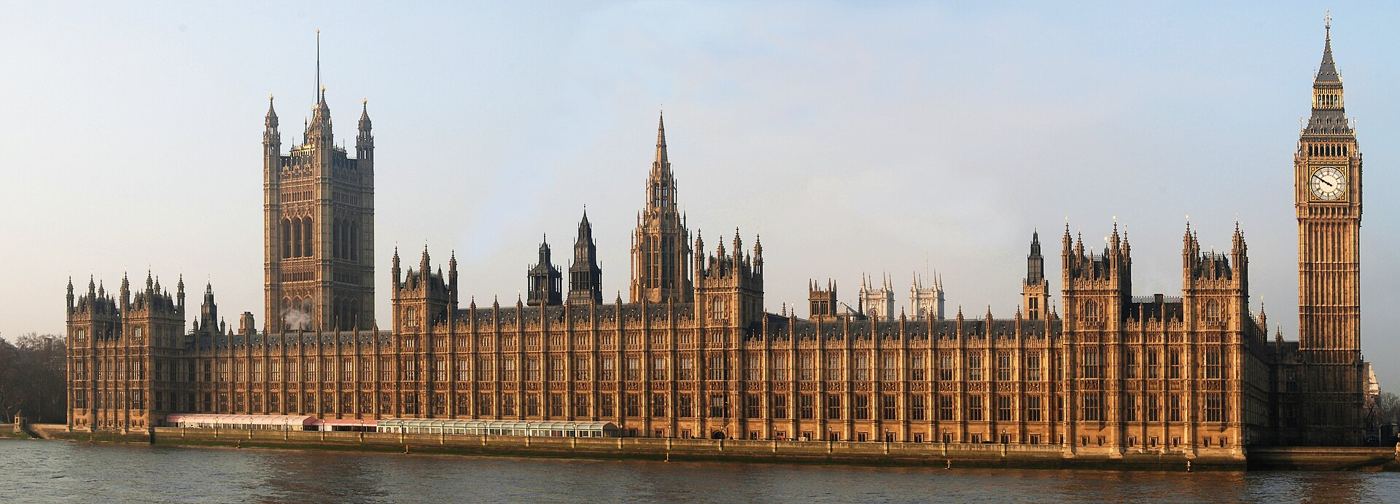
Chancellor Rachel Reeves delivered the 2026 Autumn Budget with tax rises on savings and property income alongside targeted help for households. From 6 April 2027, tax rates on property and savings income rise by two percentage points, to 24% for basic-rate taxpayers, 44% for higher-rate taxpayers and 49% for additional-rate taxpayers. The annual Cash ISA limit stays at £20,000, and a new Pension Tax Allowance will protect pensioners whose total income is at or below the full new State Pension from income tax. Households in council tax bands A to D in England will receive a one-off £100 Household Energy Payment from January 2027. The Budget was delivered against a backdrop of weak growth and pressure on public finances.
What the Evidence Shows
The Budget also promised to abolish gas standing charges by the end of 2027, benefiting about 23 million households, and to extend the fuel duty freeze until July 2027. Minimum wage rates rise by 3.9% from April 2027, and a £1 billion business rates package gives shops, restaurants and cafes in England a two-year real-terms freeze. The Office for Budget Responsibility forecast growth of 1.2% in 2026 and 1.0% in 2027, with inflation at 3.1% this year and 3.4% in 2027. Critics warned the savings tax rise would hit landlords and cash savers, while supporters said keeping the ISA allowance softened the blow. A new First Time Buyer ISA will replace the Lifetime ISA for new savers from April 2029. Reporting and analysis from sources such as World Bank track the same developments, and specialists following UK Autumn Budget 2026 say the direction is now consistent across independent lines of evidence.
The Wider Context
For households and small firms, UK Autumn Budget 2026 matters through prices and access rather than through market commentary. Changes at this level arrive as a rate on an offer letter, a fee on a statement or a product that quietly disappears from a comparison table. Consumer groups argue that transparency at exactly that point of decision is worth more than any amount of market-level reporting.
What Happens Next
The outlook for UK Autumn Budget 2026 hinges on policy choices that will be made in the open over the coming quarters. Market participants are positioned for more than one outcome, which is why the immediate reaction to each announcement has been smaller than the commentary around it. For ordinary savers and borrowers, the advice from every quarter is the same: review your own position, not the headlines. You can follow related developments in our coverage of finance.
It is also worth remembering how quickly the picture in this area has changed before. Positions that looked settled a few years ago have been revised as new data arrived, and the same humility is appropriate now. The strongest coverage of this subject, and the most useful advice, tends to come from sources that update their views openly when the facts move, rather than defending an earlier position long after it has stopped fitting the evidence available.
