

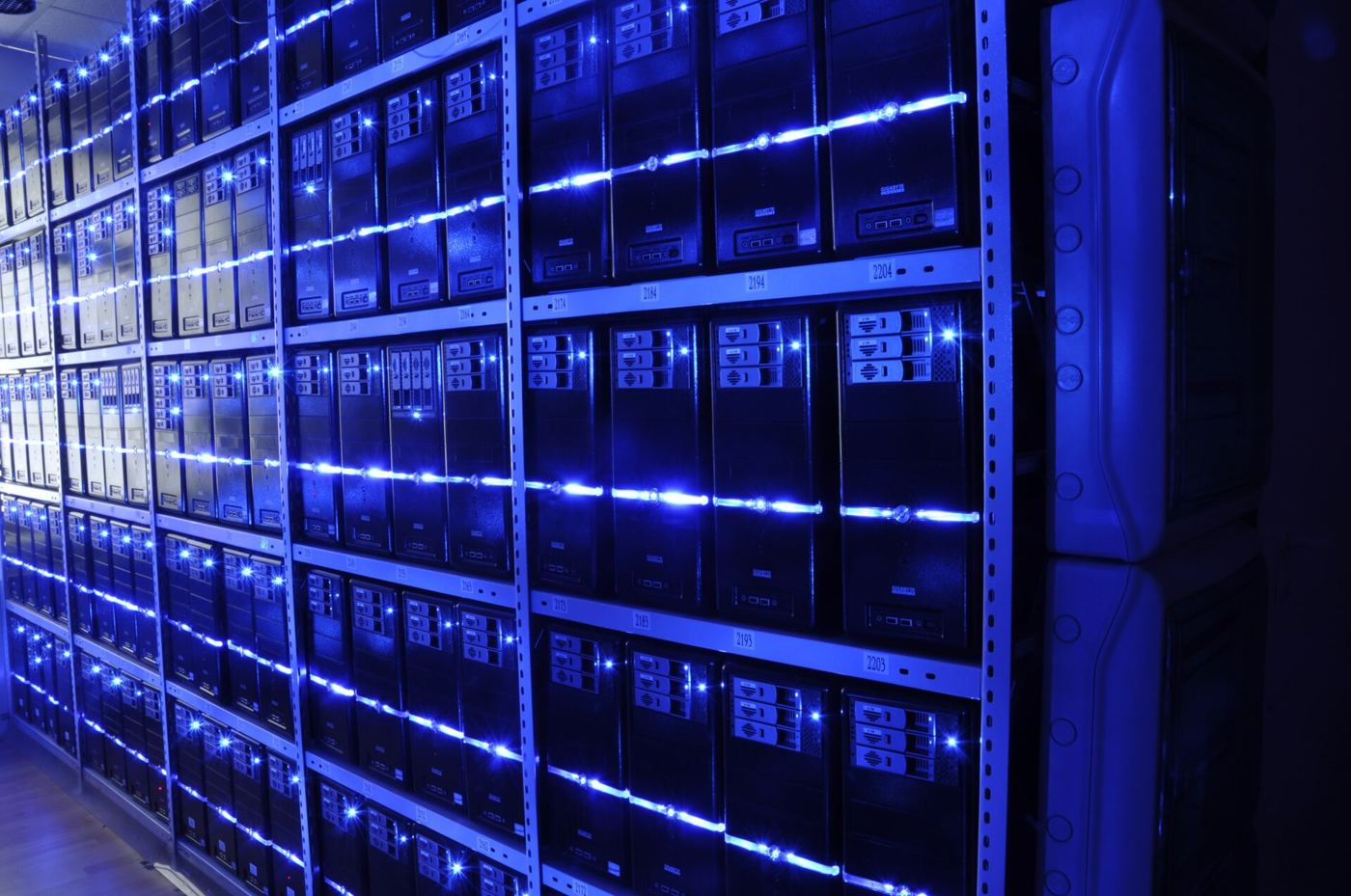
Data centre operators are redesigning airflow inside server halls to cut cooling costs and reduce energy waste as computing demand keeps rising. Instead of chilling entire rooms evenly, new layouts separate hot and cold air streams and direct cooling only where equipment needs it most. Sensors track temperature at rack level, adjusting fans and vents throughout the day as workloads change. Operators say the approach can lower cooling energy use significantly without replacing every server. Specialists following data centre cooling efficiency say cooling often accounts for a large share of a facility bill, especially during summer peaks. Artificial intelligence workloads have intensified the problem because dense clusters of processors generate concentrated heat. Engineers are also testing liquid assisted cooling for the hottest racks while keeping simpler air systems elsewhere. The changes matter beyond cost. Lower energy use reduces pressure on local power grids and helps operators meet emissions targets. Several large facilities now publish efficiency figures alongside capacity announcements, reflecting growing scrutiny from customers, investors and nearby communities.
What the Evidence Shows
Retrofitting older buildings presents the biggest challenge, since ceiling heights, floor layouts and cable routes limit what can be changed. Teams often work aisle by aisle during maintenance windows to avoid interrupting live services. Even modest improvements, such as sealing gaps and blanking unused rack spaces, can produce measurable savings over a year. Software plays a growing role by predicting hot spots before they form and shifting workloads to cooler areas. That coordination between facilities staff and computing teams was rare a decade ago but is now standard practice at major sites. Water use is also under review, with some operators favouring systems that reduce evaporation losses. Regulators in several countries are considering efficiency reporting rules for large facilities. Operators that invest early say they will be better prepared for those requirements and for continued growth in cloud and artificial intelligence services. Reporting and analysis from sources such as IEEE Spectrum track the same developments, and specialists following data centre cooling efficiency say the direction is now consistent across independent lines of evidence.
The Wider Context
Adoption of data centre cooling efficiency follows a familiar pattern with an unfamiliar speed. Early users tolerate rough edges in exchange for advantage, mainstream users arrive when the tool disappears into existing workflows, and the market consolidates around whoever made that transition feel effortless. Vendors are racing less on raw performance now than on integration, support and trust.
What Happens Next
The realistic forecast for data centre cooling efficiency is steady integration rather than sudden replacement: embedded in products people already use, improving in increments, and regulated in proportion to its reach. The companies and institutions that plan on that basis, training staff and redesigning processes instead of chasing launches, are the ones the adoption data tends to vindicate. You can follow related developments in our coverage of technology.
It is also worth remembering how quickly the picture in this area has changed before. Positions that looked settled a few years ago have been revised as new data arrived, and the same humility is appropriate now. The strongest coverage of this subject, and the most useful advice, tends to come from sources that update their views openly when the facts move, rather than defending an earlier position long after it has stopped fitting the evidence available.
