

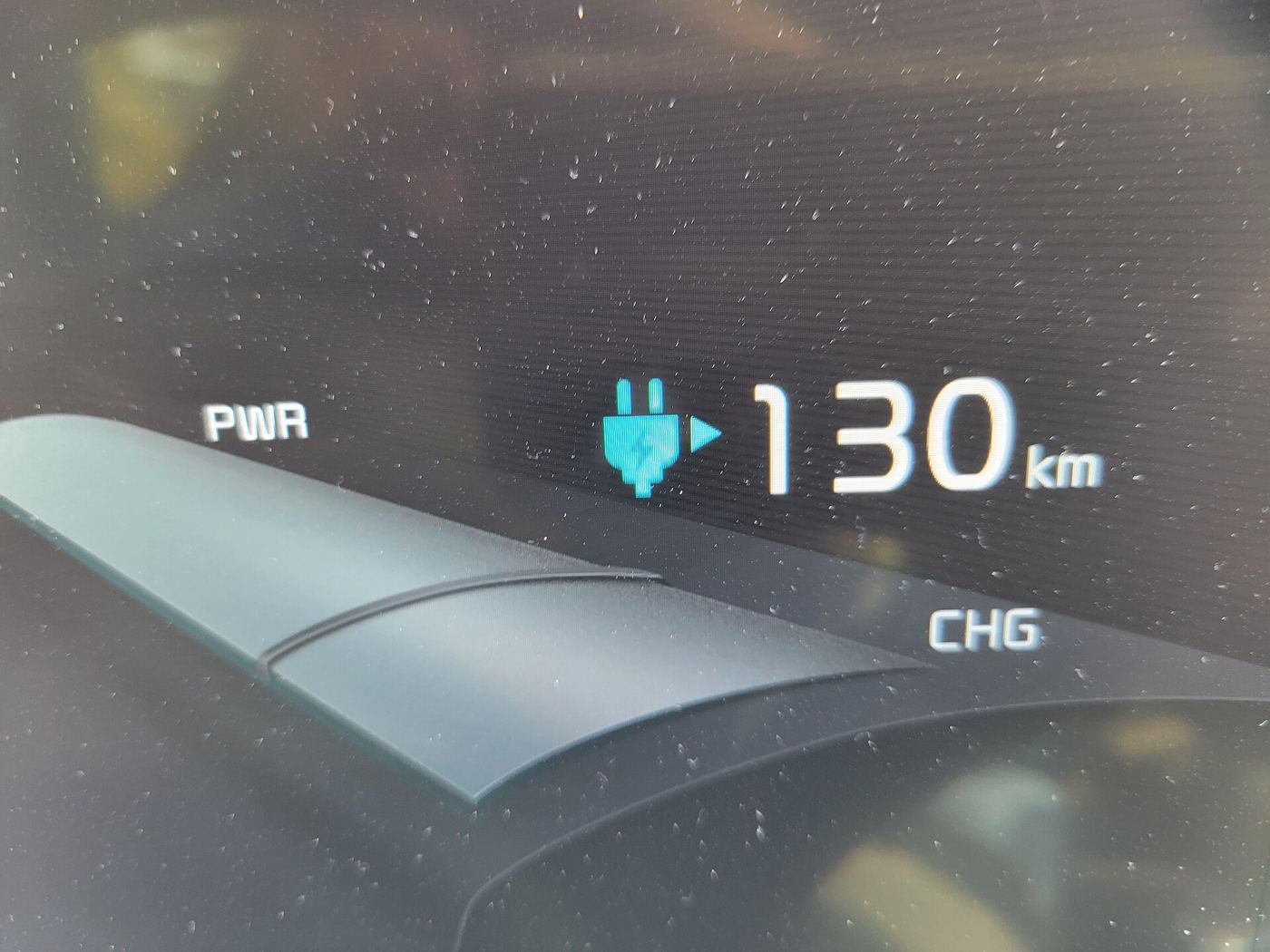
For electric car drivers on a long journey, the dashboard touchscreen has become the journey planner, navigator and energy manager rolled into one. Modern systems map a route around available charging points, estimate how much battery will remain on arrival, and adjust those estimates for hills, weather and driving speed. A clear display matters, because range uncertainty remains one of the most common concerns for people considering their first electric vehicle. When the car presents charging stops as a normal, planned part of the trip rather than an emergency, drivers report feeling far more relaxed about travelling well beyond their usual local routes and routines. Newer systems can also reserve a charger ahead of arrival and suggest a coffee stop nearby, turning a necessary pause into a planned break.
What the Evidence Shows
Software teams are refining how this information is shown so that essential guidance is readable at a glance and deeper settings stay out of the way while driving. Voice controls handle many requests, and warnings are timed to avoid distracting the driver in busy traffic. The systems also learn a charging network over time, flagging stations that are out of service or busy so journeys can be rerouted early. Critics note that placing too many basic controls behind menus can frustrate drivers, prompting some makers to restore physical buttons for heating and volume. The best dashboards now aim for a balance between a rich route display and simple, safe operation. Charging networks share live availability data with car makers, and the accuracy of that shared information is steadily improving as more stations report reliably. Reporting and analysis from sources such as IEEE Spectrum track the same developments, and specialists following electric car charging route planning say the direction is now consistent across independent lines of evidence.
The Wider Context
Adoption of electric car charging route planning follows a familiar pattern with an unfamiliar speed. Early users tolerate rough edges in exchange for advantage, mainstream users arrive when the tool disappears into existing workflows, and the market consolidates around whoever made that transition feel effortless. Vendors are racing less on raw performance now than on integration, support and trust.
What Happens Next
The realistic forecast for electric car charging route planning is steady integration rather than sudden replacement: embedded in products people already use, improving in increments, and regulated in proportion to its reach. The companies and institutions that plan on that basis, training staff and redesigning processes instead of chasing launches, are the ones the adoption data tends to vindicate. You can follow related developments in our coverage of technology.
It is also worth remembering how quickly the picture in this area has changed before. Positions that looked settled a few years ago have been revised as new data arrived, and the same humility is appropriate now. The strongest coverage of this subject, and the most useful advice, tends to come from sources that update their views openly when the facts move, rather than defending an earlier position long after it has stopped fitting the evidence available.
