

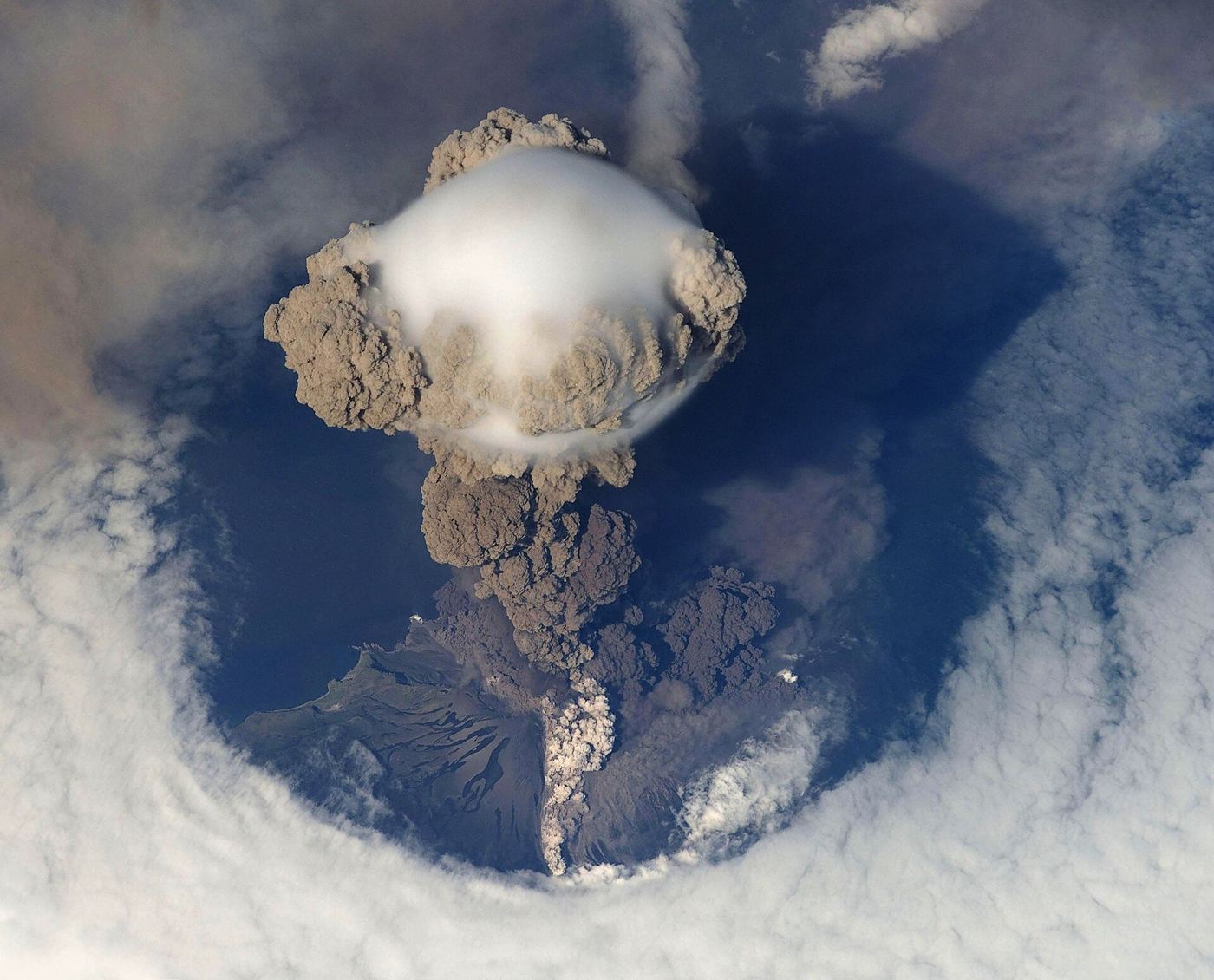
A renewed eruption on a remote island volcano has sent a towering ash cloud over surrounding waters, prompting aviation alerts and temporary ferry suspensions this week. The plume rose after a series of small explosions opened a new vent near the summit crater, scattering fine ash across villages on the windward coast. Officials urged residents to wear masks outdoors, protect drinking water, and avoid rooftop ash that can become heavy and slippery after rain.
What the Evidence Shows
Geologists monitoring the island say gas emissions and ground swelling remain elevated, suggesting the eruption could continue in pulses for several more days. Airlines have rerouted regional flights around the ash sector because volcanic particles can damage jet engines and reduce visibility for pilots at cruising altitude. For fishing families, the immediate concern is ash settling on boats and nearshore waters, where cleanup and lost working days add to mounting costs. Reporting and analysis from sources such as NASA track the same developments, and specialists following island volcano ash plume say the direction is now consistent across independent lines of evidence.
The Wider Context
Funding bodies are watching island volcano ash plume closely because the work sits at the junction of basic curiosity and practical return. Grant panels increasingly ask for a path from discovery to application, while researchers push back that the most valuable uses of fundamental science are rarely the ones written into the original proposal. The tension is productive when both sides stay honest about timescales.
What Happens Next
The long view on island volcano ash plume is that fields advance by accumulation rather than by single announcements. This result adds a solid, checkable piece to a structure many teams are building, and its authors have shared their data so the piece can be tested from every side. That is how the picture eventually becomes reliable enough to act on. You can follow related developments in our coverage of science.
It is also worth remembering how quickly the picture in this area has changed before. Positions that looked settled a few years ago have been revised as new data arrived, and the same humility is appropriate now. The strongest coverage of this subject, and the most useful advice, tends to come from sources that update their views openly when the facts move, rather than defending an earlier position long after it has stopped fitting the evidence available.
None of this will be settled by a single announcement, study or product launch. The pattern to watch is accumulation: independent confirmations, honest reporting of failures and steady improvement in the underlying numbers. Readers who follow those signals, rather than the loudest claim of the week, will understand this subject better than most of the commentary surrounding it suggests is possible.
